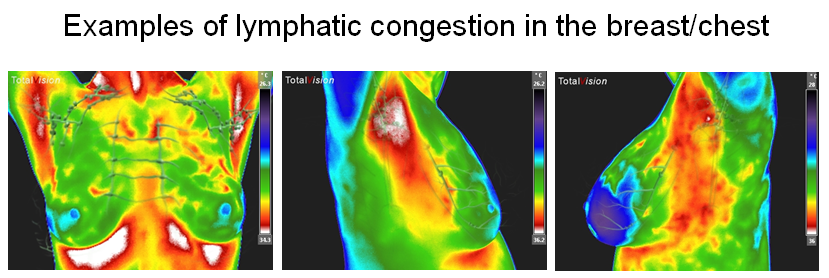
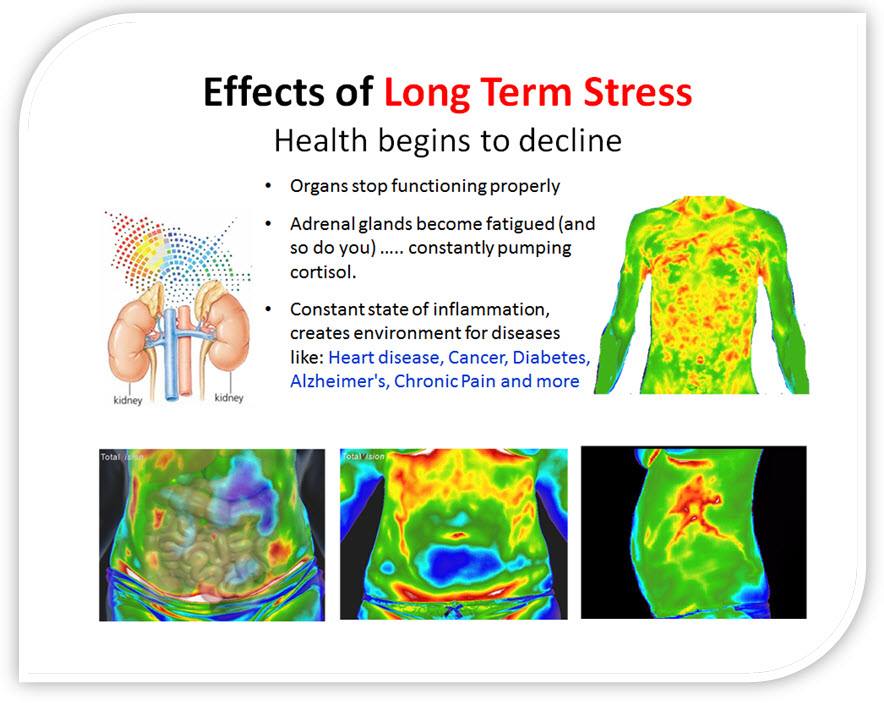
Medical Thermography serves as a straightforward diagnostic tool for detecting potential bodily inflammation. While inflammation is essential for normal physiological functions — such as wound healing and immune response — persistent inflammation becomes destructive, contributing to chronic disease and accelerated aging.
Blood Tests for Inflammation Measurement
Three primary blood tests measure inflammation levels:
- ESR (Erythrocyte sedimentation rate): Normal range is 0-22 mm/hr for men and 0-29 mm/hr for women
- CRP (C-reactive protein): Normal levels are typically below 3 mg/L, rarely exceeding 10 mg/L
- PV (Plasma viscosity): Normal adult range is 1.50-1.72 mPA
Chronic Inflammation Symptoms
Chronic inflammation presents subtly compared to acute inflammation's obvious signs. Common symptoms include fatigue, sinus congestion, fever, mouth sores, rashes, abdominal pain, chest pain, and joint pain — potentially lasting months or years.
Chronic Diseases Associated with Inflammation
Chronic inflammation correlates with numerous conditions: Alzheimer's disease, arthritis, asthma, cancer, cardiovascular disease, diabetes, depression, Crohn's disease, multiple sclerosis, osteoporosis, and Parkinson's disease.
Anti-Inflammatory Foods
Best Anti-Inflammatory Spices: Basil, cayenne pepper, coriander, curry, garlic, ginger, oregano, parsley, thyme, and turmeric.
Best Anti-Inflammatory Vegetables: Asparagus, beets, broccoli, brussels sprouts, cabbage, carrots, collard greens, onions, spinach, sweet potato, and tomatoes.
Best Anti-Inflammatory Fruits: Berries (blueberries, raspberries), flaxseeds, grapefruit, melons, papayas, pineapple, and tart cherries.
Anti-Inflammatory Supplements
- Turmeric: Over 15,000 medical studies. Recommended dose: at least 1,000 mg/day.
- Omega-3 Fatty Acids: Highest anti-inflammatory properties of any substance tested. Most people need 2,000 mg/day.
- Vitamin D3: Critical for cellular function. Therapeutic blood levels: 40-60 ng/ml.
- Ginger: Reduces inflammation linked to diabetes, colitis, and breast cancer. Recommended: 1-2 grams/day.
- Green Tea: Contains antioxidants and anti-cancer properties.
Anti-Inflammatory Lifestyle
- 30 minutes of brisk walking daily
- Stretching exercises or yoga
- 30-60 minutes of sunshine (10 am-2 pm)
- Adequate hydration with purified water
- Optimized sleep (bedtime before 10 PM)
- Stress-reduction techniques (meditation, Tai chi, Qi gong)
- Monitoring inflammation via Medical Thermography

By Christine Horner, M.D.